Kinoshita Shuzo
Known for Tamagawa
The name Tamagawa (jewel river) comes from the fact that right next to the storehouse is the Kawakamidani River, a clear stream lined with pebbles that shimmer like jewels. In this foggy, gloomy region once famous for its migrant toji,...
Products
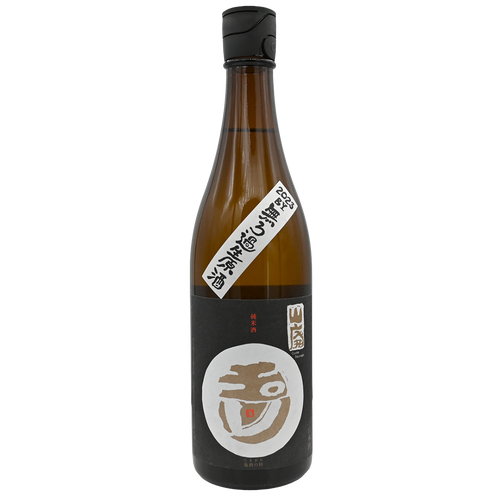
Kinoshita Shuzo
Tamagawa Junmai Yamahai Muroka Nama Genshu "White Label"
I have to thank the good folks at Umami Mart for sharing this quote, because it tells the...
$39
Notify me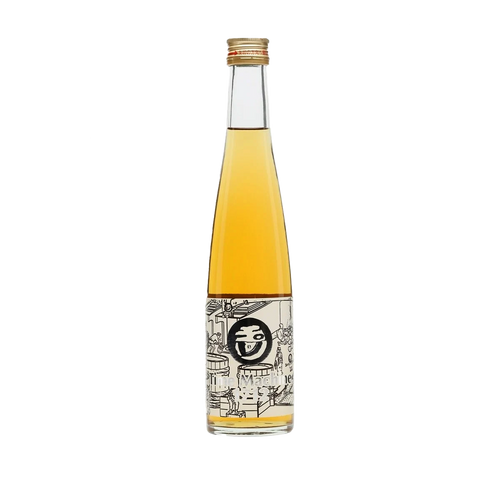
Kinoshita Shuzo
Tamagawa Junmai Koshu "Time Machine" 2022
Deep, complex, gently aged, made with a high proportion of koji. Delicious room temp to lightly warmed. Based...
$31
Notify me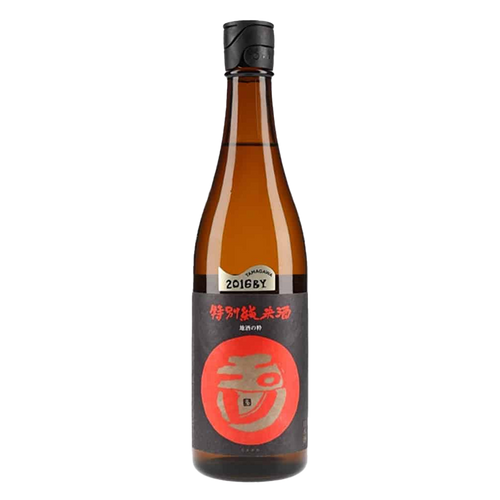
Kinoshita Shuzo
Tamagawa Junmai Lot 2023 "Heart of Oak"
Puerh tea, kukicha tea, macadamia nuts, wet wool, lanolin extract, rotting wood in the coastal rainforest, asafoetida, S&B...
$36
Notify meFrom our Wednesday Flights
- Wednesday Flight #12: Unpacking Junmai Ginjo, Jan 14, 2026
- Wednesday Lessons #45: Nina & Molly Top 6, Dec 18, 2024
- Wednesday Lessons #39: Pairing Basics (Vegan), Aug 28, 2024
- Wednesday Lessons #27: Yamahai, Feb 7, 2024
- Wednesday Lessons 6/14/23: Kyoto Sake, Jun 14, 2023
- Wednesday Lessons: Koshu, Dec 14, 2022
About Kinoshita Shuzo
The name Tamagawa (jewel river) comes from the fact that right next to the storehouse is the Kawakamidani River, a clear stream lined with pebbles that shimmer like jewels. In this foggy, gloomy region once famous for its migrant toji, who traveled the long way to Kyoto city, Osaka and Kobe to earn money in the snowy winter months, Kinoshita Shuzo, makers of Tamagawa, have earned a reputation for durable sake that rewards aging-- “the last glass from a bottle of Tamagawa is always better than the first”-- and their robust kuratsuki (wild) yeast, which can reach >23% ABV before petering out! The Toji, Philip Harper, is best known for his British origin but he would prefer to be known for his philosophy as toji. In an interview he said, “while the quality of the grapes is said to determine 80% of a wine, for sake, the quality of the rice used only determines the outcome by 20% at most. Truly complex processes are required, and microbes must transform the rice into something completely different [koji] before fermentation can even begin. To that end, 'calm' is an essential quality for staff, and in no way am I speaking in an abstract sense. Without fail, the sake produced by a brewery with strained interpersonal relations will not taste good."